GitHub Foundations: A Comprehensive Skill Track Completion
4 courses. 9 hours. Complete mastery of version control and collaborative workflows. The GitHub Foundations track is officially done!

AWS SkillBuilder Co-Lead @ AWS SBG - Spade | Former AI Intern @ Crawlers | 3x TESDA Certified Student Developer | Cloud & AI
I'm thrilled to share that I've completed the GitHub Foundations skill track on DataCamp!
This track was more than just a set of courses. It was a structured, conceptual deep dive into the ideas powering modern software development — from how Git manages version history locally, to how GitHub enables collaboration at scale across remote teams.
Here's my honest, detailed breakdown of every course in the track:
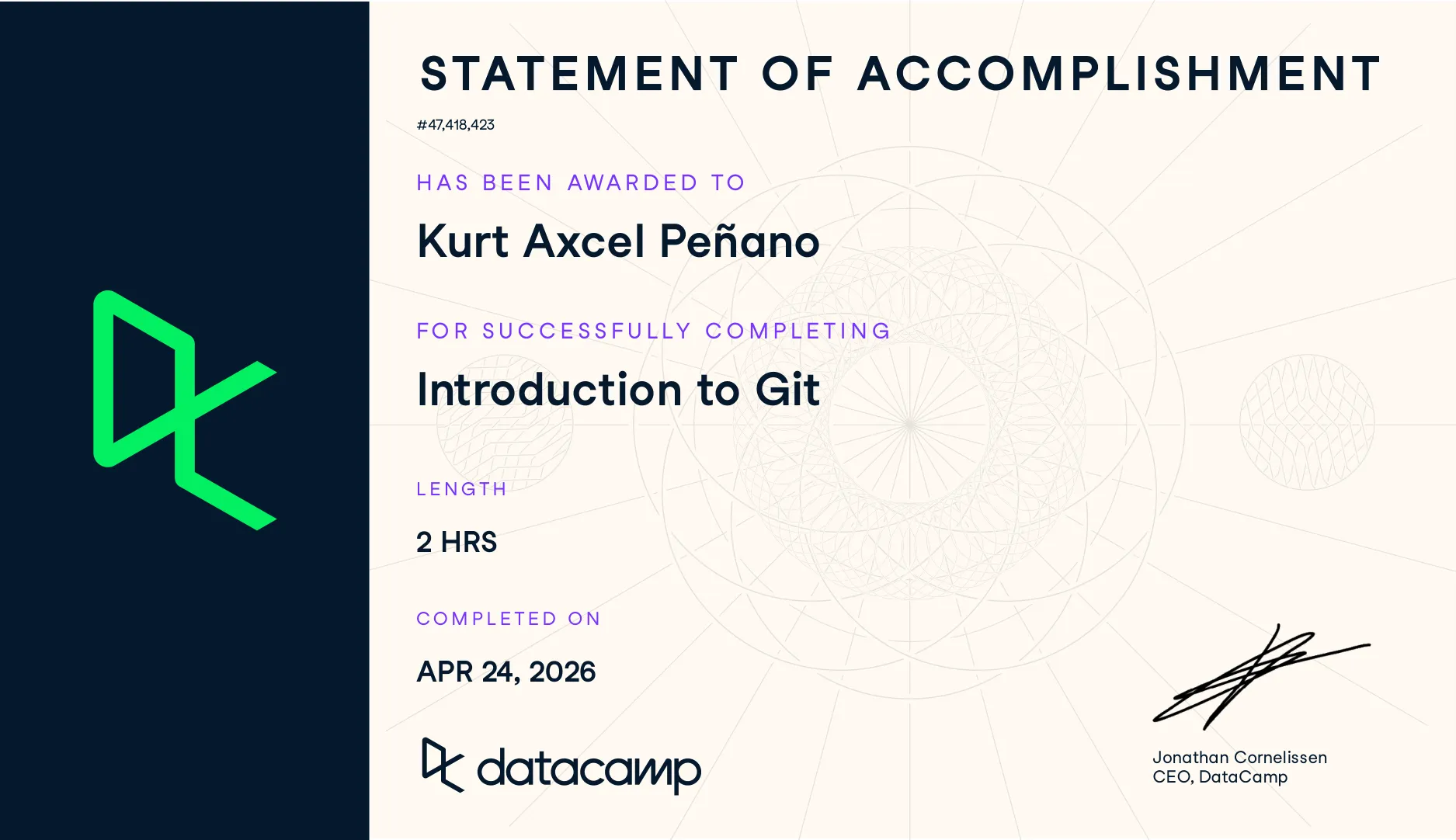
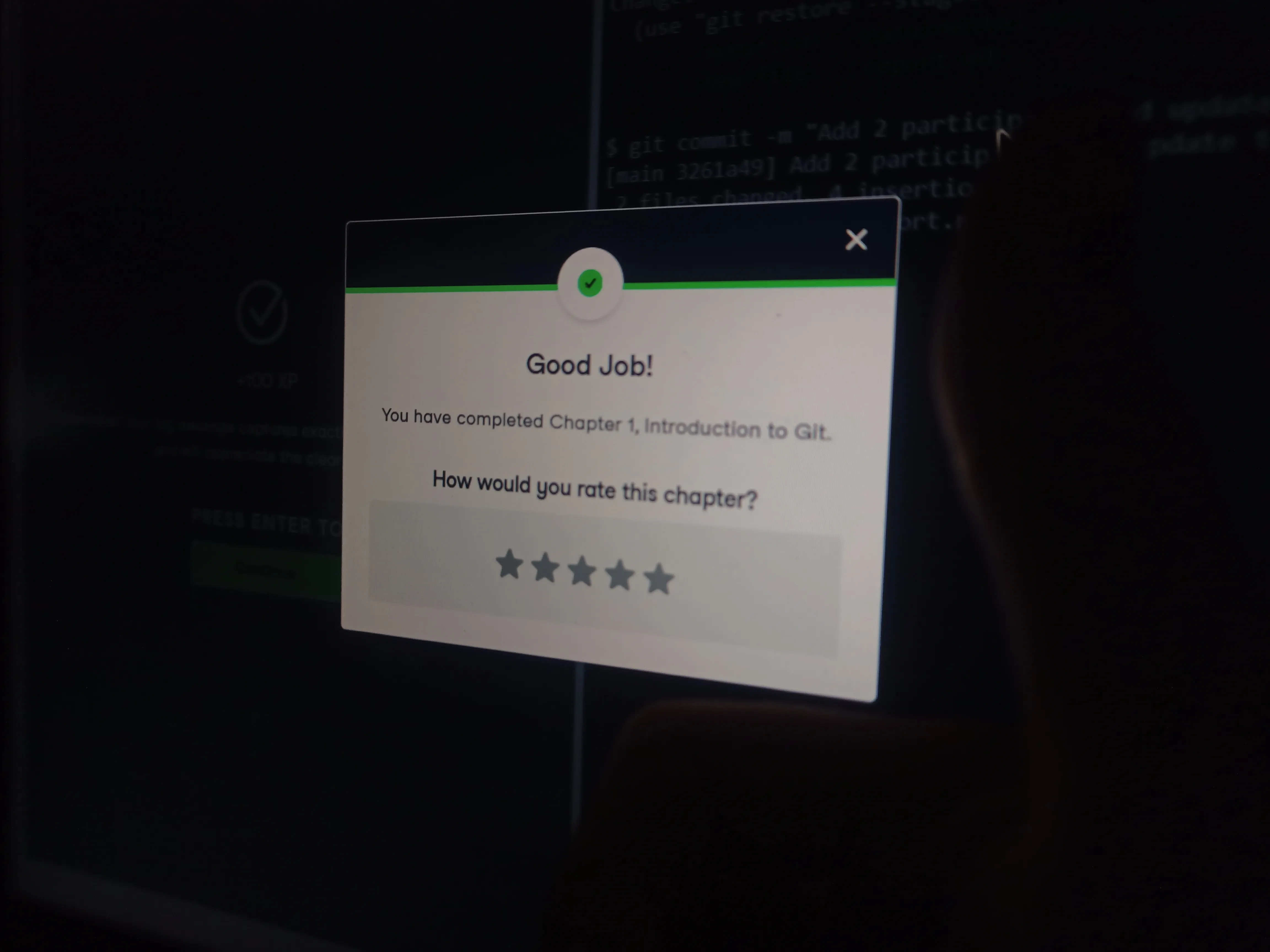
Course 1: Introduction to Git
What it's about: The starting point. This course introduces the fundamental concepts of version control, focusing on Git. It covers saving and managing file versions, comparing modifications, and viewing commit history. You learn the core commands that every developer uses daily.
Key takeaways:
- Version control is the backbone of reliable software development.
- The staging area is a powerful concept that separates modifications from commits.
- Small, atomic commits make tracking changes and collaborating significantly easier.
Benefit to you:
Whether you're a student, professional, or data scientist, this course provides the essential toolkit to stop relying on "final_v2_final.txt" and start using proper version history.

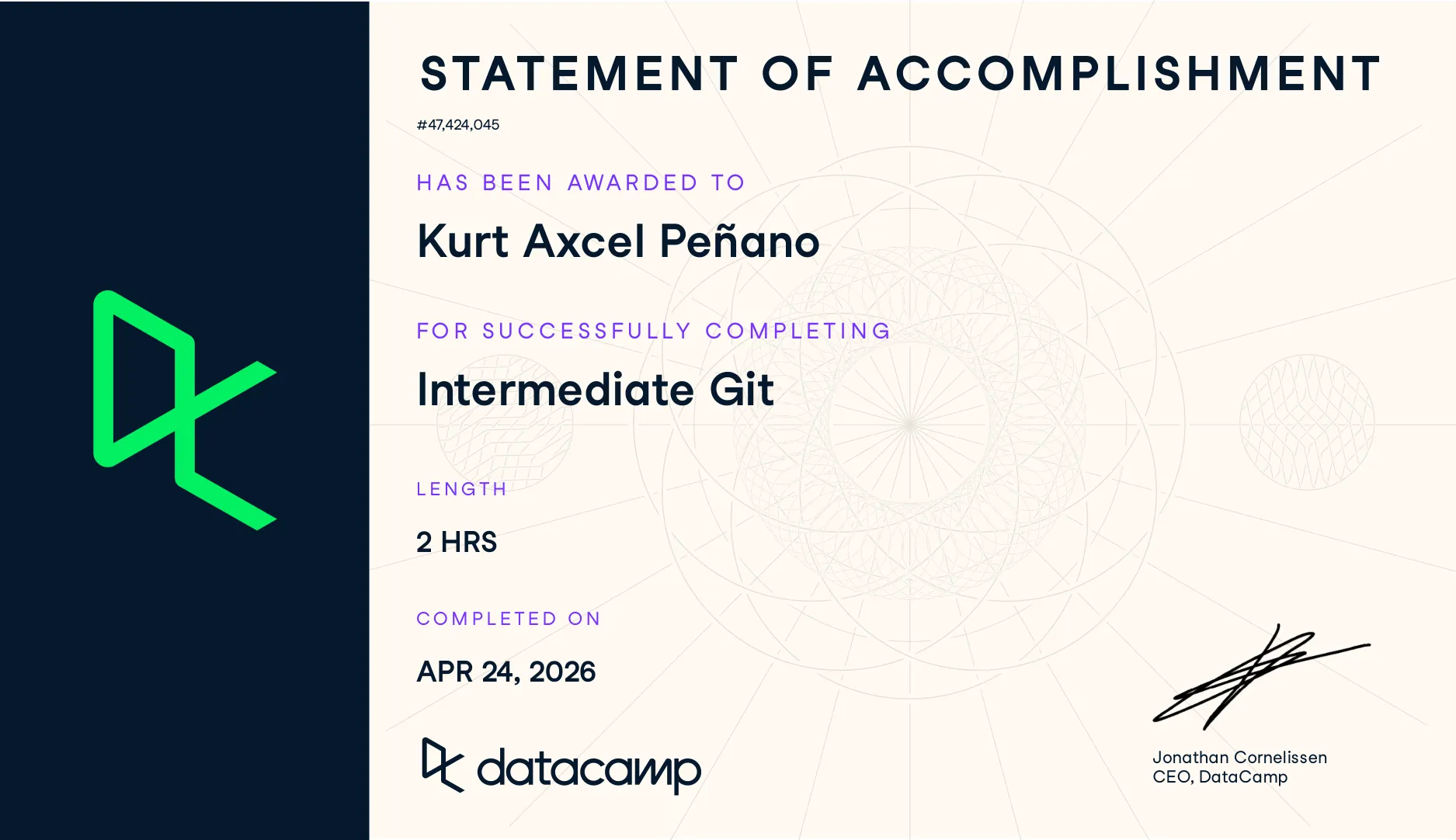
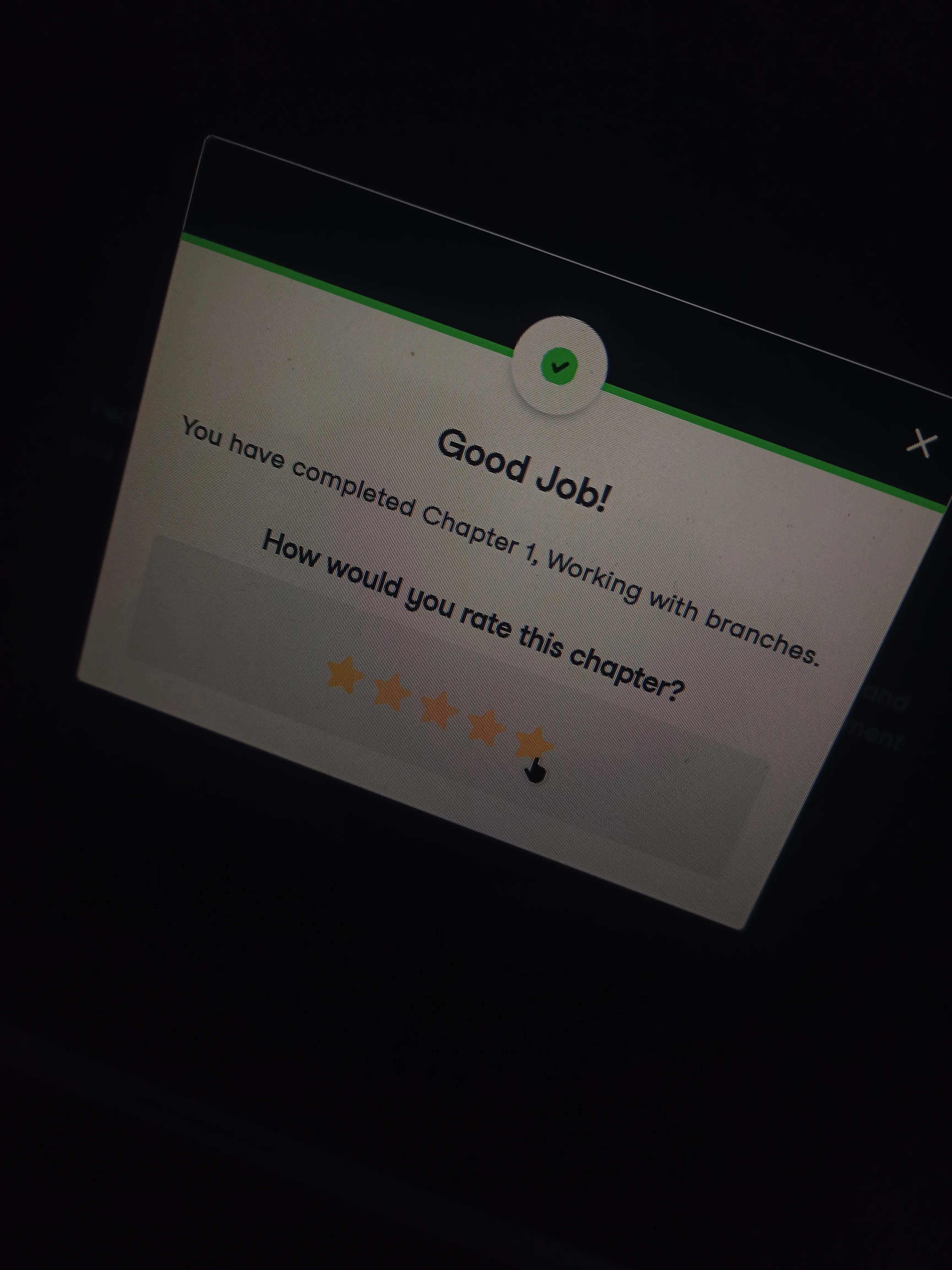
Course 2: Intermediate Git
What it's about: A practical, hands-on exploration of branching and collaborating. The course covers how to use branches to isolate experimental changes, resolve merge conflicts, and collaborate using remote repositories.
Key takeaways:
- Branches are cheap and should be used generously to isolate work.
- Merge conflicts are normal; understanding how to read and resolve them is a critical skill.
- Remote repositories unlock asynchronous teamwork.
Benefit to you:
This course transitions you from a solo developer to a collaborative team member. The difference between someone who can confidently merge branches and someone who panics at conflicts is significant.
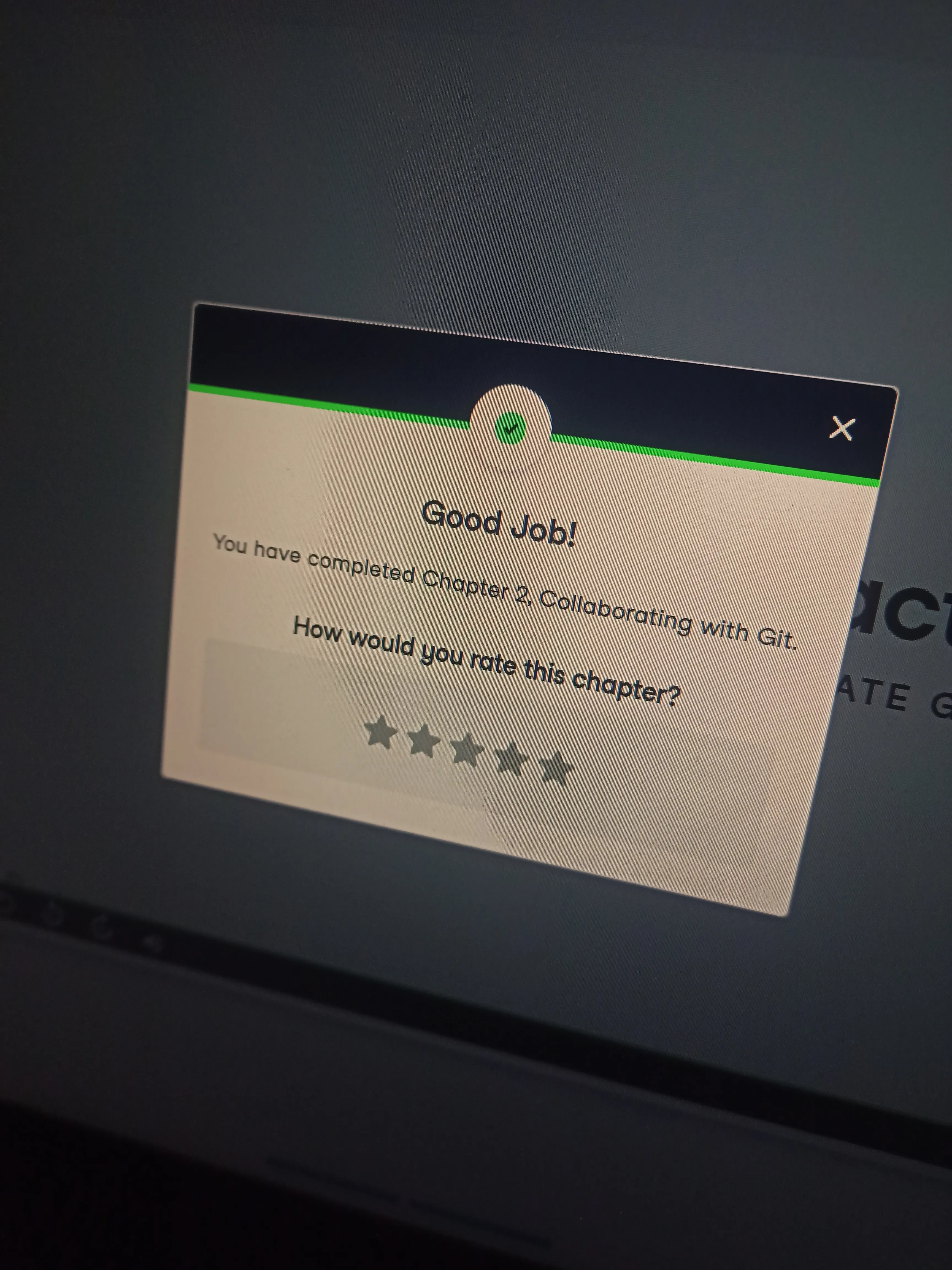
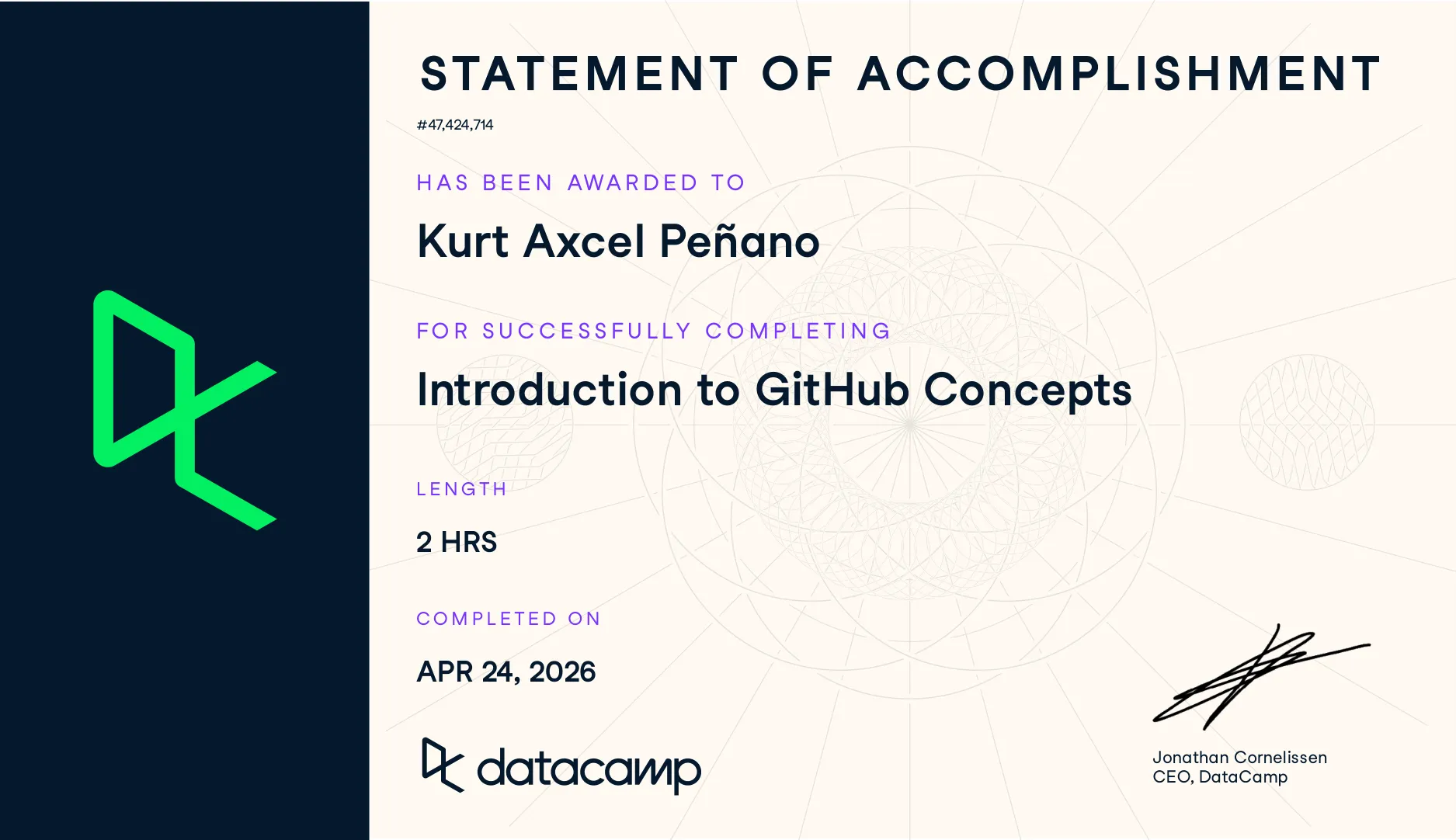
Course 3: Introduction to GitHub Concepts
What it's about: Moving from the command line to the platform. This course demystifies GitHub, exploring its interface and explaining the GitHub flow. You learn about issues, pull requests, and how to contribute to other repositories securely.
Key takeaways:
- The GitHub flow (Branch, Commit, Pull Request, Merge) is the industry standard for a reason.
- Markdown is essential for writing clear documentation and issues.
- Pull Requests are about communication and review, not just merging code.
Benefit to you:
This course demystifies the hub where open-source and enterprise software lives. It equips you to contribute to existing projects effectively and manage your own work transparently.


Course 4: Intermediate GitHub Concepts
What it's about: This is where you learn to manage projects and secure your work at an enterprise level. It covers GitHub Projects for agile management, GitHub Administration, InnerSource strategies, and Secure Development practices.
Key takeaways:
- GitHub Projects integrate task management directly with your code, streamlining workflow.
- Secure development involves proactively managing dependencies and secrets.
- InnerSource brings open-source collaboration practices inside corporate firewalls, breaking down silos.
Benefit to you:
This course gives you the perspective of a repository administrator or technical lead. Knowing how to secure a repository and set up a productive workflow for a team is a highly valuable skill.


Completing all 4 courses isn't just about finishing tutorials — it's about building a solid foundation for any software or data project.

My Overall Take
What makes this track worth it:
- The progression from local Git commands to enterprise GitHub workflows is seamless and highly relevant.
- The focus on practical scenarios (like resolving merge conflicts or setting up a GitHub Project) ensures you're ready for real-world tasks.
- It bridges the gap between writing code and actually managing it in a collaborative environment.
What it doesn't replace:
- Hands-on, messy open-source contributions. The track prepares you, but you still need to dive into real projects to experience unpredictable workflows.
Who should take this:
Anyone who writes code, scripts, or documentation and wants to collaborate efficiently without losing their mind over version control.
Project registry: GitHub Foundations
GitHub Foundations establishes the core competencies required for modern software development, focusing on version control theory, collaborative workflows, and repository administration.
Core Outcomes:
- Git Mastery — proficiency in branching, merging, and conflict resolution.
- Collaboration Flow — implementing the GitHub flow (PRs, reviews, issues) at scale.
- Project Management — utilizing GitHub Projects and Administration for team coordination.
Primary Identity: DevOps / Version Control / Collaboration
Keep building, keep learning. See you on the cloud.
#Git #GitHub #GitHubFoundations #VersionControl #DataCamp #ContinuousLearning #BuildInPublic #TechStudent #CloudwithKurtAxcel


